

Effective Custom Home Budgeting Tips for a Smooth Build
- christian richie

- Mar 28
- 3 min read
Building a custom home is an exciting journey. It allows you to create a space tailored to your needs and style. However, managing the budget can be challenging. I want to share practical tips to help you control costs and avoid surprises during your custom home project.
Understanding Custom Home Budgeting Tips
Budgeting for a custom home starts with a clear plan. You need to know what you want and how much you can spend. Begin by listing your priorities. These might include the number of bedrooms, special features, or energy-efficient systems. Once you have a list, research the average costs in your area. This gives you a realistic starting point.
Next, break down your budget into categories such as land, construction, permits, and finishes. Allocate funds to each category based on your priorities. Keep in mind that some costs, like land or permits, are fixed or less flexible. Others, like finishes, offer room to adjust if needed.
A good rule is to set aside a contingency fund of about 10% to 15% of your total budget. This covers unexpected expenses that often arise during construction.
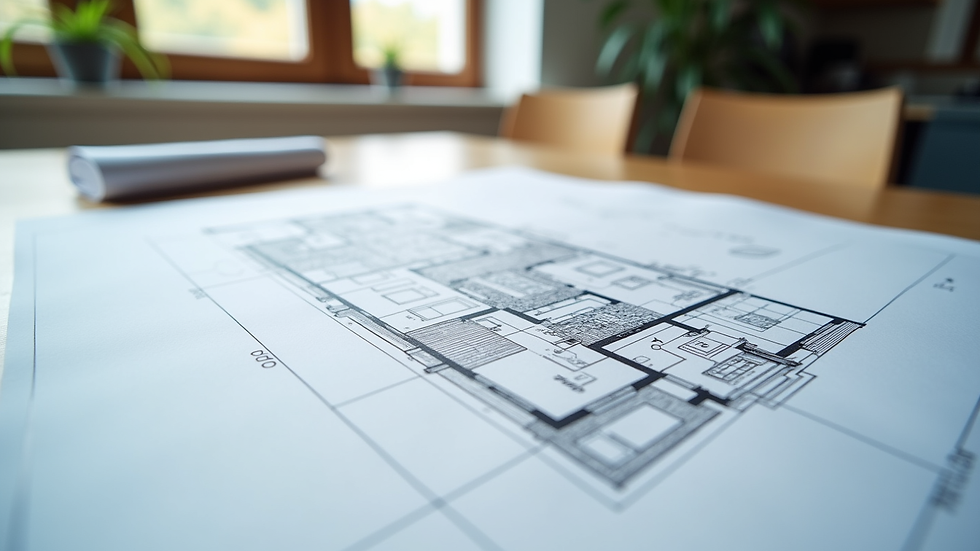
Setting Realistic Expectations for Your Custom Home Budget
It is important to be realistic about what your budget can achieve. Custom homes often cost more than standard builds because of unique designs and materials. Avoid underestimating costs by consulting with professionals early. Builders, architects, and designers can provide estimates based on your plans.
Be aware that changes during construction can increase costs. For example, upgrading materials or adding features after work has started usually means paying more. To prevent this, finalize your design and budget before breaking ground.
Consider the location carefully. Building in the DFW area has specific costs related to land prices, labor, and materials. Research local market trends to understand these factors.
Choosing Materials and Features Wisely
Selecting the right materials and features can significantly impact your budget. Focus on quality and durability rather than just the initial price. Sometimes spending more upfront saves money in the long run by reducing maintenance and replacement costs.
Prioritize features that add value and comfort. For example, energy-efficient windows and insulation reduce utility bills. Smart home systems can improve convenience but may increase upfront costs.
When choosing finishes like flooring, cabinetry, and countertops, balance style with cost. You can mix high-end items in key areas with more affordable options elsewhere.

Managing Costs During Construction
Keeping your budget on track during construction requires active management. Regular communication with your builder is essential. Schedule frequent updates to review progress and expenses.
Track all costs carefully. Request detailed invoices and compare them to your budget. If you notice overruns, discuss options to reduce costs or adjust plans.
Avoid making changes once construction starts unless absolutely necessary. Each change can cause delays and add expenses.
Consider hiring a project manager or using construction management software. These tools help you stay organized and informed.
Financing and Payment Strategies for Custom Homes
Understanding your financing options helps you plan your budget better. Many custom home builders offer construction loans that convert to mortgages after completion. These loans typically release funds in stages as work progresses.
Plan your payment schedule to match construction milestones. This prevents cash flow problems and keeps the project moving.
Shop around for the best loan terms. Interest rates and fees vary, so compare offers from multiple lenders.
Keep in mind that your credit score and financial history affect loan approval and rates. Prepare your documents and finances in advance.
Final Thoughts on Custom Home Budgeting Tips
Budgeting for a custom home is a detailed process. It requires clear planning, realistic expectations, and ongoing management. By following these tips, you can build your dream home without financial stress.
Remember to prioritize your needs, choose materials wisely, and communicate regularly with your builder. Setting aside a contingency fund and understanding financing options also help keep your project on track.
If you want to learn more about building a custom home in the DFW area, consider visiting Bluestone Homes. They specialize in turning clients' visions into award-winning homes with quality and care.
Taking control of your budget today means a smoother build tomorrow.


Comments