

Home Maintenance Tips for New Home Buyers in DFW
- christian richie

- Mar 31
- 3 min read
Updated: 6 days ago
Buying a New Home: Essential Maintenance Tips for New Homeowners
Buying a new home is an exciting milestone. Once you move in, maintaining your property becomes essential to protect your investment and ensure your home remains comfortable and safe. I want to share practical home maintenance tips that help you keep your new house in excellent condition. These tips focus on routine tasks and seasonal checks that prevent costly repairs later.
Understanding Your Home’s Systems
When you first move in, take time to learn about your home’s major systems. This includes heating, ventilation, and air conditioning (HVAC), plumbing, electrical, and roofing. Knowing how these systems work and where their controls are located helps you respond quickly to any issues.
Locate your circuit breaker panel and label each switch.
Identify the main water shutoff valve.
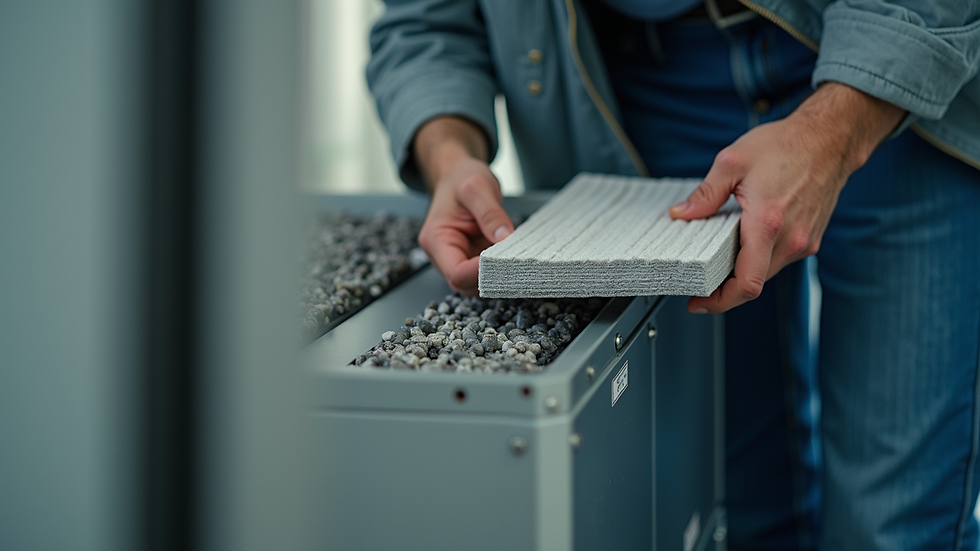
Understand your HVAC system’s filter replacement schedule.
Check the roof for visible damage or missing shingles.
Regular inspections of these systems can catch small problems before they grow. For example, changing HVAC filters every 1-3 months improves air quality and system efficiency. Knowing how to shut off water or power can prevent damage during emergencies.
Seasonal Home Maintenance Checklist
Seasonal maintenance keeps your home functioning well year-round. I recommend creating a checklist for spring, summer, fall, and winter tasks. This approach breaks down upkeep into manageable steps.
Spring
Inspect the roof and gutters for winter damage.
Clean and service the HVAC system before summer.
Check exterior paint and siding for cracks or peeling.
Test smoke and carbon monoxide detectors.
Summer
Maintain landscaping and trim trees away from the house.
Inspect and clean window screens.
Check plumbing for leaks, especially outdoor faucets.
Service lawn irrigation systems.
Fall
Clean gutters and downspouts to prepare for rain.
Inspect and seal windows and doors to improve insulation.
Drain and store garden hoses.
Schedule furnace maintenance before winter.
Winter
Monitor for ice dams on the roof.
Keep walkways clear of snow and ice.
Check attic insulation and ventilation.
Test emergency generators if applicable.
Following this schedule helps you stay ahead of common issues and keeps your home comfortable through seasonal changes.
Essential Tools and Supplies to Have on Hand
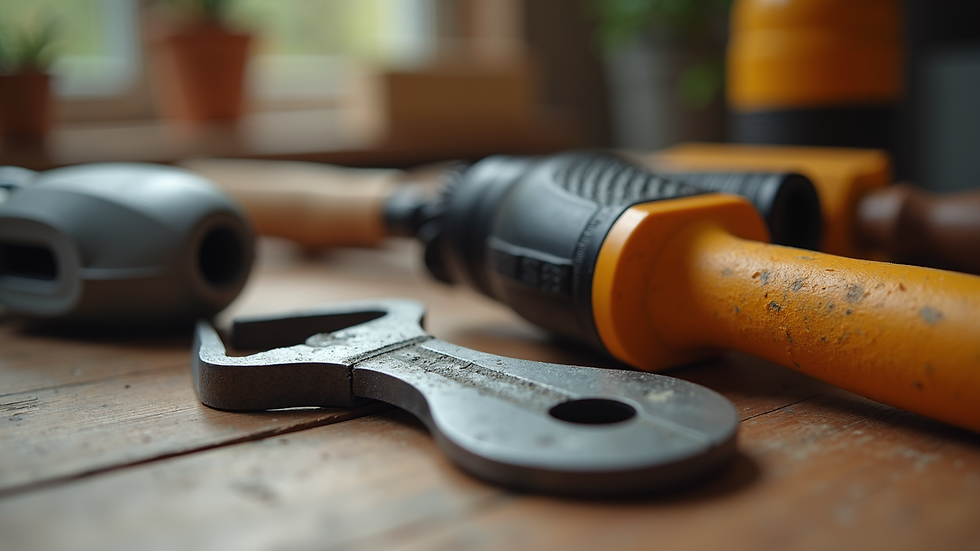
Having basic tools and supplies ready makes home maintenance easier and faster. I keep a small toolkit stocked with essentials for quick fixes and routine tasks.
Screwdrivers (flathead and Phillips)
Adjustable wrench and pliers
Hammer and nails
Tape measure
Flashlight and batteries
Ladder for roof and gutter access
Replacement HVAC filters
Caulk and sealant for minor repairs
Fire extinguisher
These items cover most small repairs and inspections. For larger projects, it’s best to hire professionals, but having these tools helps you handle everyday maintenance confidently.
Tips for Maintaining Your Home’s Exterior
The exterior protects your home from weather and wear. Regular care extends the life of siding, roofing, and landscaping.
Clean gutters twice a year to prevent water damage.
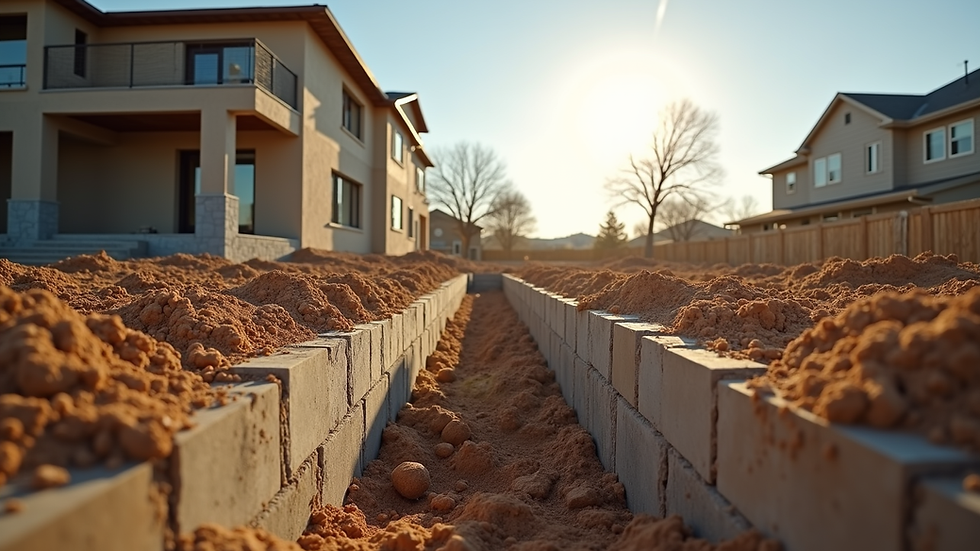
Inspect the foundation for cracks or signs of settling.
Power wash siding to remove dirt and mildew.
Repaint or touch up exterior surfaces as needed.
Maintain landscaping to prevent overgrowth near the house.
Check fences and gates for stability and repair damage.
Proper exterior maintenance preserves curb appeal and prevents structural problems. It also helps maintain the value of your home over time.
Managing Indoor Maintenance and Safety
Inside your home, focus on safety and comfort. Regular checks and upkeep improve living conditions and reduce risks.
Test smoke and carbon monoxide detectors monthly.
Replace HVAC filters regularly.
Inspect plumbing for leaks under sinks and around appliances.
Clean dryer vents to prevent fire hazards.
Check windows and doors for drafts and seal gaps.
Schedule professional inspections for electrical and plumbing systems every few years.
These steps keep your home safe and energy-efficient. They also help avoid unexpected repair costs.
Planning for Long-Term Maintenance and Upgrades
Home maintenance is ongoing. Planning for long-term projects ensures your home stays in top condition.
Set aside a budget for repairs and upgrades.
Keep records of maintenance and repairs.
Schedule regular professional inspections.
Consider energy-efficient upgrades like insulation or smart thermostats.
Plan renovations that enhance your home’s value and comfort.
Being proactive about maintenance and improvements protects your investment and makes your home more enjoyable.
Conclusion
Taking care of your new home is a continuous process. By following these home maintenance tips, you can avoid many common problems and keep your property in excellent shape. Remember, consistent care today saves money and stress tomorrow. For more information on building and maintaining quality homes in the DFW area, visit Bluestone Homes.
By implementing these strategies, you can ensure your home remains a safe and welcoming space for years to come.



Comments