

Steps to Navigate Your Home Construction Timeline Steps
- christian richie

- 4 days ago
- 3 min read
Building a custom home is a significant undertaking. It requires careful planning and clear understanding of the timeline involved. Knowing what to expect at each stage helps you stay organized and reduces stress. I will guide you through the essential steps to navigate your home construction timeline effectively.
Understanding Home Construction Timeline Steps
The home construction timeline breaks down the entire process into manageable phases. Each phase has specific tasks and milestones. Being aware of these steps allows you to track progress and communicate clearly with your builder.
Here are the main phases you will encounter:
Pre-Construction Planning
Site Preparation and Foundation
Framing and Exterior Work
Mechanical, Electrical, and Plumbing (MEP)
Interior Finishes and Final Touches
Inspection and Move-In
Each phase can vary in length depending on the size and complexity of your home. Weather and material availability also affect timing. Staying flexible while keeping a schedule in mind is key.
Pre-Construction Planning
Before any physical work begins, you must finalize your home design and secure permits. This phase sets the foundation for a smooth build.
Design Finalization: Work closely with your architect or builder to finalize floor plans and elevations. Confirm all details, including materials and finishes.
Budget and Contract: Agree on a budget and sign a contract with your builder. This document outlines the scope, timeline, and payment schedule.
Permits and Approvals: Submit plans to local authorities for approval. This step can take several weeks depending on your location.
Site Survey and Soil Testing: Conduct surveys and tests to assess the land’s suitability for building.
Taking time here prevents costly changes later. Clear communication with your builder ensures everyone understands expectations.

Site Preparation and Foundation
Once permits are in place, construction begins on the site. This phase includes clearing, excavation, and laying the foundation.
Site Clearing: Remove trees, rocks, and debris to prepare the land.
Excavation: Dig trenches for the foundation and utilities.
Foundation Pouring: Pour concrete footings and foundation walls. This step requires precision to ensure structural integrity.
Curing Time: Allow the concrete to cure properly before proceeding.
Foundation work typically takes a few weeks. Delays here can impact the entire schedule, so monitor progress closely.
Framing and Exterior Work
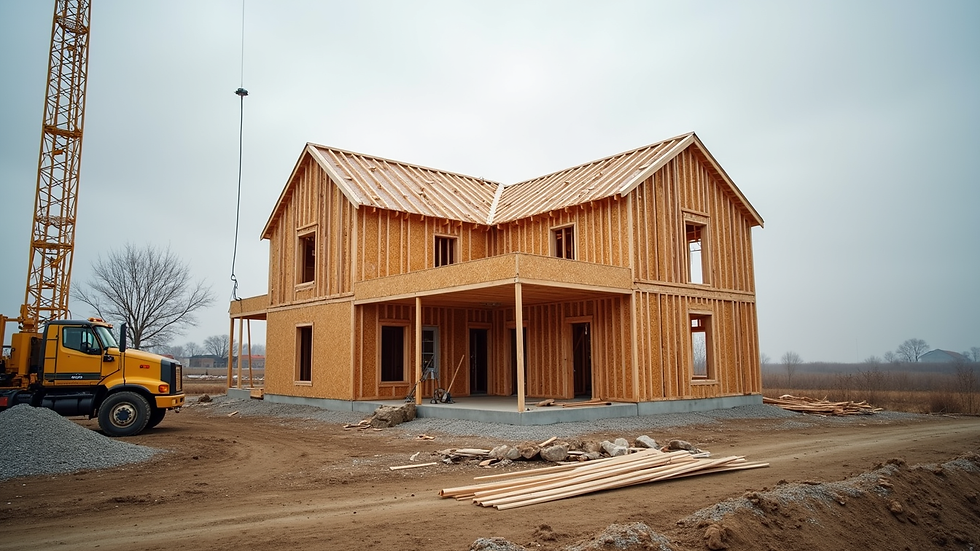
With the foundation set, the home starts to take shape. Framing outlines the structure, followed by exterior installations.
Framing: Build the skeleton of the house including walls, floors, and roof trusses.
Sheathing and Roofing: Install exterior sheathing and roofing materials to protect the structure.
Windows and Doors: Fit windows and exterior doors to secure the home.
Siding and Exterior Finishes: Apply siding, brick, or stone as per your design.
This phase is visually rewarding as your home becomes recognizable. It usually lasts several weeks depending on weather and crew size.
Mechanical, Electrical, and Plumbing (MEP)
After the shell is complete, work shifts inside to install essential systems.
Rough-In Plumbing: Install pipes for water supply and drainage.
Electrical Wiring: Run wires for outlets, lighting, and appliances.
HVAC Installation: Set up heating, ventilation, and air conditioning systems.
Inspections: Schedule inspections to ensure compliance with building codes.
This phase requires coordination among different trades. Delays in one area can affect others, so maintain regular communication.
Interior Finishes and Final Touches
With systems in place, focus moves to the interior details that make your house a home.
Insulation and Drywall: Insulate walls and ceilings, then hang drywall.
Painting and Trim: Paint walls and install baseboards, crown molding, and other trim.
Flooring and Cabinets: Lay flooring and install kitchen and bathroom cabinets.
Fixtures and Appliances: Fit lighting fixtures, plumbing fixtures, and appliances.
This phase can take several weeks. It is important to review selections and quality carefully.
Inspection and Move-In Preparation
The final phase ensures your home is safe and ready for occupancy.
Final Inspections: Obtain certificates of occupancy after passing all inspections.
Punch List: Identify any minor issues or touch-ups needed before move-in.
Cleaning and Landscaping: Clean the interior and complete exterior landscaping.
Move-In: Schedule your move and enjoy your new home.
Staying involved during this phase helps ensure a smooth transition.
Navigating your home construction process timeline requires patience and attention to detail. By understanding each step, you can manage expectations and communicate effectively with your builder. This approach helps turn your dream home into reality on schedule and within budget.



Comments